A nonprofit alcohol recovery program is run by a mission-driven organization with no owners or shareholders, so any surplus goes back into the program instead of out as profit. In Southwest Florida that usually means a 501(c)(3) with a volunteer board, public tax filings and a cost structure built around the men it serves. Nonprofit status does not by itself make a program better. It does change what questions a family should ask and what answers they can check for themselves.
If you are comparing options in Naples, Fort Myers, Bonita Springs or anywhere in Collier and Lee County, here is what the label actually means, what it does not mean, and how to use it to choose well.
What “nonprofit” means for a recovery program
A 501(c)(3) organization exists for a charitable purpose that the IRS recognized when it granted tax exempt status. Three things follow from that, and all three matter to a family.
- No one owns it. There are no investors expecting a return. Money left over after costs is reinvested in the program, the house, the staff and the men.
- A board is accountable for it. A board of directors, usually unpaid community members, oversees the mission and the finances.
- Its finances are public. Most tax exempt organizations file an annual Form 990 with the IRS and must make recent returns available for public inspection. You can often find them through free databases such as ProPublica’s Nonprofit Explorer or Candid.
For a family, that last point is the useful one. You do not have to take a program’s word for how it is run. You can read what it reports.
Nonprofit and for-profit programs compared
| Question | Typical nonprofit program | Typical for-profit treatment center |
|---|---|---|
| Who it answers to | A board and a charitable mission | Owners or investors |
| How it is paid for | Self pay, donations, grants, community support | Mostly insurance billing, plus private pay |
| Financial transparency | Annual Form 990, open to the public | Private, not published |
| What it provides | Varies: peer recovery programs, sober living, or licensed care | Often licensed clinical treatment such as detox, inpatient and outpatient |
| Marketing pressure | Usually lower, with less paid advertising | Often heavy, including call centers and referral networks |
The fourth row is the one families miss. “Nonprofit” describes how an organization is owned and funded. It says nothing about whether it offers medical care. Some nonprofits in Florida run licensed treatment. Others, like Naples Retreat, run recovery programs that are deliberately not clinical.
What a nonprofit label does not tell you
Treat it as a starting point, not a verdict. A nonprofit can still be the wrong fit for the man you love, and a for-profit center can be the right one if he needs medical detox or psychiatric care. Before comparing anything else, answer one question honestly: does he need medical treatment first?
If he is drinking heavily every day, alcohol withdrawal can be dangerous, and medical detox comes first. A peer recovery program is where many men go after detox, to build the daily structure and relationships that keep them sober. We explain that sequence in detox vs a residential recovery program.
In Florida, substance abuse treatment providers are licensed by the Department of Children and Families under Chapter 397 of the Florida Statutes. If a program describes itself as treatment, ask for the license. If it describes itself as a recovery program or sober living, ask exactly what happens every day and who is running it.
Six questions to ask any Southwest Florida program
- Is it a 501(c)(3)? Ask for the organization’s legal name and look up its filings.
- Is it licensed treatment, a recovery program, or sober living? Each is a different thing, and a good program says plainly which one it is.
- How is it paid for? Self pay, insurance, or both. Ask what the full cost covers and what payment terms exist.
- Who runs daily life? Clinicians, house managers, recovery mentors, alumni. Know who he will actually spend his days with.
- Is it men only? Many men speak more openly in a room of other men.
- What happens after he leaves? Ask about alumni meetings, sponsorship and sober living, not just the stay itself.
How Naples Retreat fits
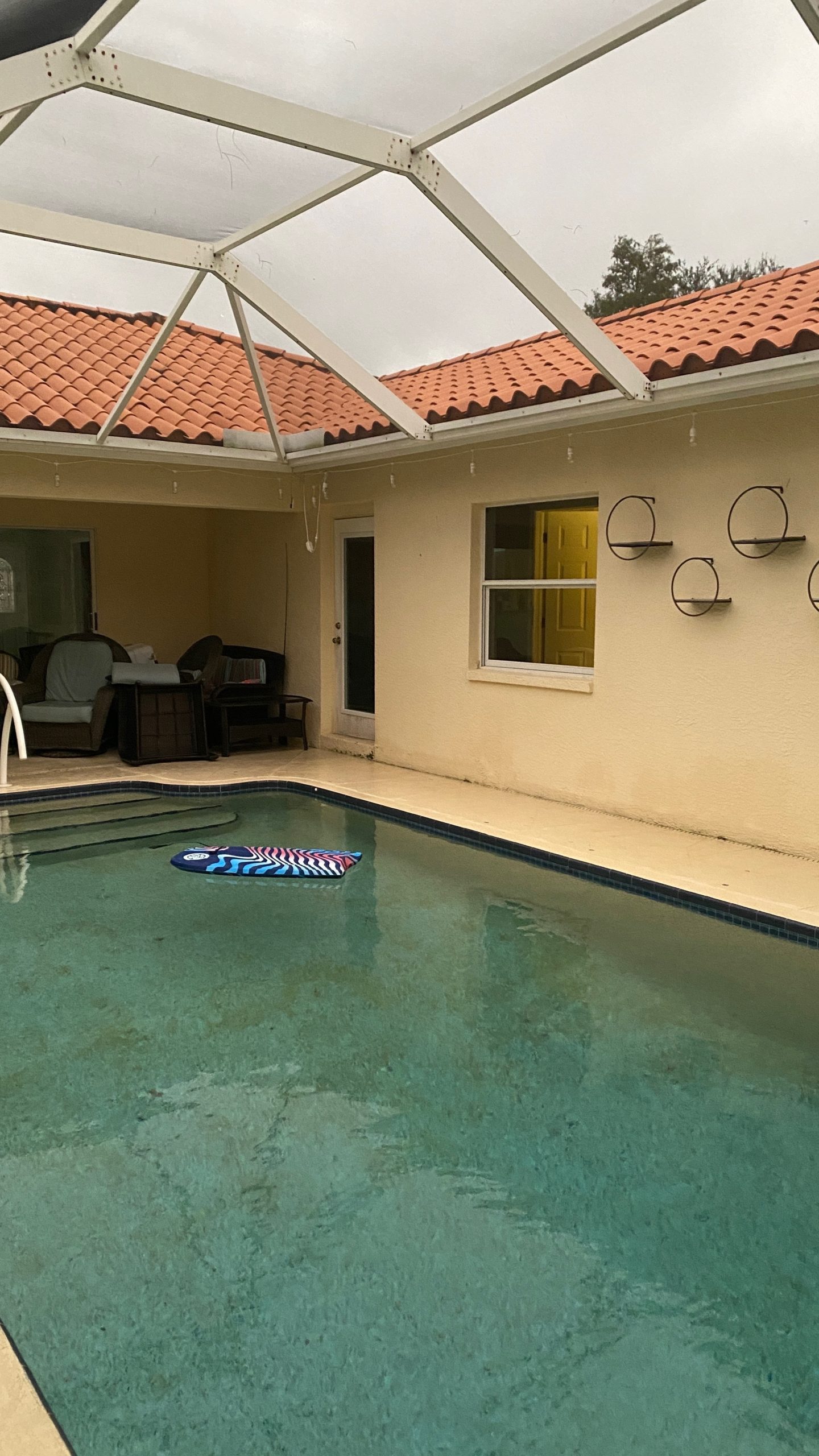
Naples Retreat is a 501(c)(3) nonprofit in Naples, Florida. It runs a 30 day, men only residential recovery program for alcohol dependency, built on 12-Step principles and the literature of a 90-year-old recovery fellowship. Days are structured around daily 12-Step meetings, step work, sponsorship and mentorship from recovery mentors, house managers and alumni who have walked the same road.
It is a recovery program, not a licensed treatment facility. We do not provide detox, medication-assisted treatment or therapy on site. When a man needs detox first, we work with trusted providers so he can arrive ready. The program is self pay with flexible payment terms and no insurance billing, which also means no insurance claim follows him to work. Our guide to paying for recovery without insurance covers how families plan for that.
Because it is a nonprofit, the community keeps it going. Donors, alumni and families of men who came through are why the program exists, and you can see how to support that work. After the 30 days, men stay connected through sober living and alumni support across Southwest Florida.
Frequently asked questions
Are nonprofit recovery programs free?
Usually not. Nonprofit means the organization does not operate for profit, not that it charges nothing. Many use donations to keep costs well below commercial treatment, and some offer flexible payment terms. Ask directly what the cost is and what it includes.
Is a nonprofit program lower quality than a private treatment center?
Not by definition. Quality depends on structure, the people running daily life and what happens after discharge, not on tax status. The difference is that a nonprofit publishes its finances, which gives you more to check.
Does Naples Retreat accept insurance?
No. Naples Retreat is self pay, with flexible payment terms. That keeps the program outside the insurance system, so there is no claim, no explanation of benefits and nothing billed through an employer health plan.
Can men from outside Naples attend?
Yes. Many residents come from across Southwest Florida, including Fort Myers, Bonita Springs, Cape Coral and Marco Island, and some travel from out of state for a 30 day program away from home.
Take the next step
If you are weighing options for your husband, son, father or yourself, a short conversation will tell you more than any comparison chart. Contact Naples Retreat to ask what a 30 day stay looks like, or read more on our programs page and about our community.
Talk to someone today. Call Naples Retreat at (239) 427-2535. The call costs nothing, and it is answered by people who have been where he is.