
The Complete Guide to Addiction Recovery
Addiction recovery is not just about quitting substances. It is about rebuilding your life from the inside out.
For many men, addiction becomes a coping mechanism for stress, trauma, pressure, or emotional pain. True recovery requires more than willpower. It requires structure, accountability, and the right environment for change.
At Naples Retreat, we understand that addiction recovery is a transformative journey — one that involves mental clarity, emotional healing, and disciplined growth.
What Is Addiction Recovery?
Addiction recovery is the ongoing process of overcoming substance use and building a healthier, more intentional life.
It involves:
-
Breaking free from harmful behaviors
-
Addressing emotional and psychological root causes
-
Developing healthier coping strategies
-
Rebuilding relationships
-
Creating long-term accountability
Recovery is not linear. There may be setbacks. But progress is built through consistency, support, and structure.
The Key Stages of the Addiction Recovery Process
The road to recovery involves several stages, each one serving as a building block for lasting change. The process may vary for each individual, but generally, it follows these core steps:
1. Acknowledging the Problem
The first step in addiction recovery is honest self-awareness.
Recognizing that substance use is impacting your health, relationships, or purpose requires courage. For many men, this is the hardest step — but it is also the most powerful.
Without acknowledgment, change cannot begin.
2. Seeking Professional Help
Addiction often requires more than self-discipline. Professional support provides:
-
Clinical guidance
-
Structured therapy
-
Safe detox planning
-
Emotional accountability
Whether through residential treatment or structured outpatient care, professional help increases long-term success.
3. Detox and Stabilization
For substance dependence, detox may be necessary to safely clear the body.
Medical supervision is critical, especially for alcohol or certain drugs that can cause dangerous withdrawal symptoms.
Detox is not the solution — it is the starting point.
4. Rehabilitation and Therapy
After stabilization, the deeper work begins.
Rehabilitation focuses on:
-
Identifying behavioral patterns
-
Addressing trauma or stress triggers
-
Learning relapse prevention skills
-
Developing emotional regulation
Therapy may include Cognitive Behavioral Therapy (CBT), group sessions, and structured daily routines.
5. Building New Habits and Lifestyle
Sustainable addiction recovery requires building new habits.
This includes:
-
Structured daily routines
-
Physical health practices
-
Rebuilding relationships
-
Accountability systems
-
Community involvement
Sobriety alone is not enough. Purpose-driven living strengthens long-term recovery.
The Role of Community in Addiction Recovery
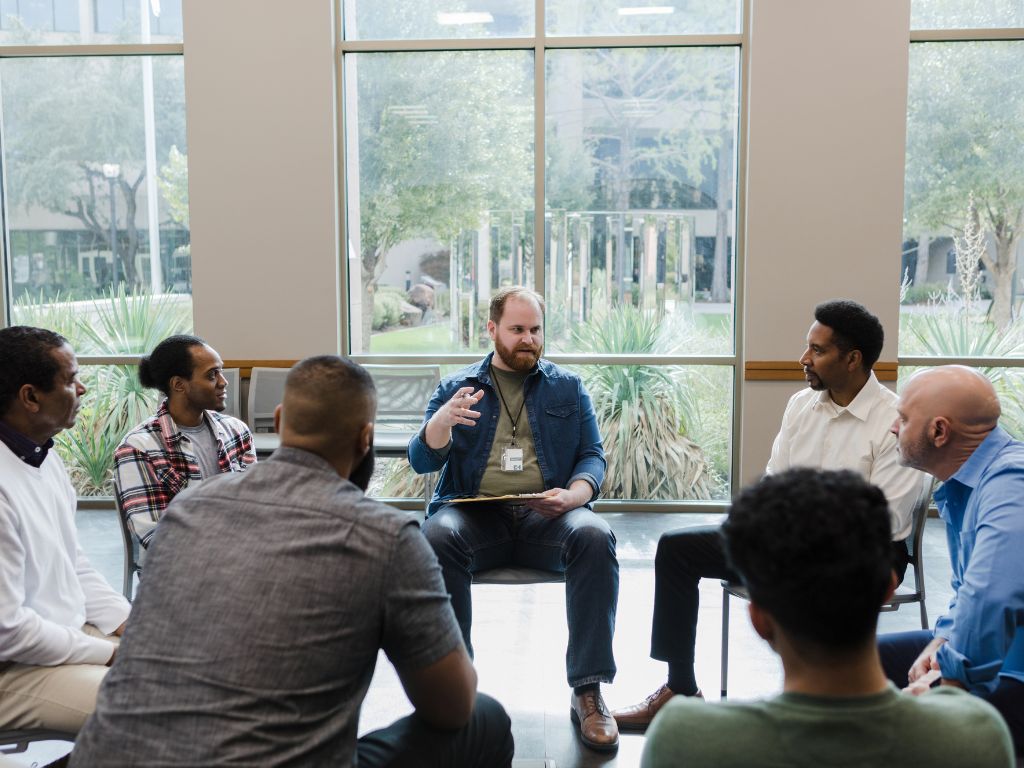
solation fuels addiction. Community strengthens recovery.
Support groups and peer environments allow men to:
-
Share struggles without judgment
-
Learn from others’ experiences
-
Develop accountability
-
Reduce shame
Programs rooted in peer connection — including 12-Step models — provide long-term structure and spiritual grounding.
At Naples Retreat, community is central to the recovery process. Men recover alongside other men who understand the weight of responsibility, performance pressure, and emotional suppression.
Choosing the Right Addiction Recovery Program
Choosing the right addiction recovery program is an important step in your journey. The ideal program will depend on various factors, such as the type of addiction, the severity of the issue, and personal preferences. It’s crucial to select a program that aligns with your goals and offers a treatment approach that feels comfortable for you.
There are a variety of addiction recovery programs available, including inpatient and outpatient options. Inpatient programs involve living at a facility for an extended period, typically ranging from a few weeks to several months. This setting provides intensive care, including detoxification, therapy, and counseling, while allowing individuals to focus entirely on their recovery.
Outpatient programs offer more flexibility, as individuals can continue living at home while attending treatment sessions. These programs may include group therapy, individual counseling, and other forms of support.
Some people may find that a combination of inpatient and outpatient care is most beneficial. Whatever the case, it’s important to research the available options and consult with a professional to determine the best course of action.
Overcoming Common Challenges in Addiction Recovery
Addiction recovery is powerful — but not without obstacles.
Understanding these challenges helps men prepare effectively.
1. Coping with Triggers
Triggers are situations, people, or emotions that may cause cravings or tempt someone to relapse. Learning how to identify and manage triggers is crucial to maintaining long-term sobriety. Many individuals in recovery work with therapists to develop coping skills that help them resist the urge to engage in addictive behaviors when confronted with triggers.
2. Dealing with Cravings
Cravings are a natural part of the addiction recovery process, and they can be intense. It’s important to understand that cravings are temporary and will subside over time. During this phase, many people benefit from practicing mindfulness, engaging in healthy activities, and seeking support from others in recovery.
3. Managing Stress
Stress is a common challenge for individuals in recovery, as it can lead to emotional distress and increase the likelihood of relapse. Learning effective stress management techniques, such as deep breathing, exercise, and meditation, can help individuals cope with the pressures of life without turning to substances or harmful behaviors.
4. Staying Motivated
Recovery is a long-term commitment, and staying motivated can be difficult. Setting small, achievable goals and celebrating progress along the way can help maintain motivation. It’s also important to remind yourself of the reasons you sought recovery in the first place, whether it’s for improved health, relationships, or quality of life.
Why Addiction Recovery Requires More Than Willpower
Many men attempt to quit on their own.
But addiction alters brain chemistry, emotional processing, and behavioral habits. Structured treatment increases success by addressing the root causes of substance use.
Recovery is not weakness. It is strength redirected.
Begin Your Addiction Recovery Journey in Naples, FL
If you are ready to take control of your life and begin structured addiction recovery, you do not have to do it alone.
Naples Retreat offers a 30-day men’s residential recovery program rooted in:
-
Accountability
-
Spiritual growth
-
Structured living
-
Peer support
-
Evidence-based therapeutic techniques
Recovery begins with a decision. The next step is action.